Digital command center for unplanned outages
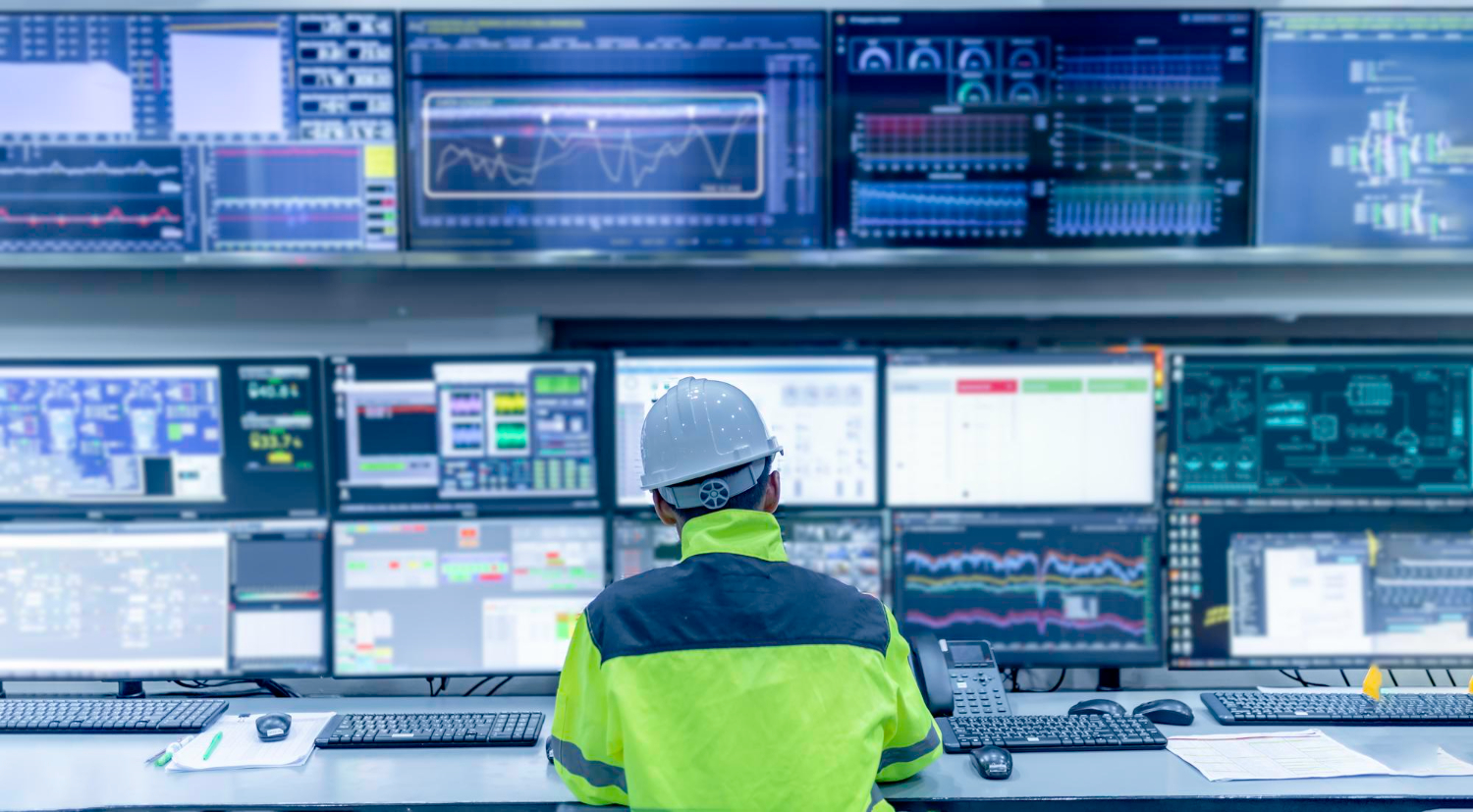
Operators restore power fastest when incident command is disciplined, communications are consistent, and learning loops are real. Technology helps, but only after the operating model is redesigned around performance and accountability.
The question behind this piece
Most utilities and operators have robust control centers for unplanned outages, but performance still varies widely event to event. The difference is rarely the number of tools. It is the operating model: how decisions are made, how crews are dispatched, how information is shared, and how lessons become funded improvements. How do utilities build a digital command center model that improves restoration speed, communications, and post-event performance?
Why this matters now
Outage response has become more visible, more scrutinized, and less forgiving. Restoration time has become a top KPI monitored not by operational heads, but also by financial and safety executives. When customers lose power, the economic and social impact shows up quickly: lost work, disrupted services, and heightened safety risk.
The data environment is now stronger than ever before. Many operators have better telemetry, OMS capabilities, and customer signals. The issue is not access to data. The issue is turning signals into decisions and actions in real time, then translating results into durable fixes after the event.
Outage response is an operating model problem before it is a technology problem.
Our perspective
A digital command center is a repeatable incident operating system that links situational awareness, decision rights, dispatch, communications, and learning loops. It should be measured against outcomes, not activity.
- Redesign incident command around decision rights.
High-performing utilities define clear roles, authority, and escalation paths. The core roles are an Incident Commander with authority to set restoration strategy and priorities; an Operations Lead accountable for field execution, safety, and resource deployment; a Planning Lead accountable for forecasts, staging plans, and next-interval decisions; a Logistics Lead accountable for materials, mutual aid, and support capacity; a Communications Lead accountable for aligned messaging across channels; and a Data Lead accountable for the single operational picture and KPI tracking. This is not bureaucracy. It is speed. When roles are crisp, decisions move faster, handoffs are cleaner, and field teams waste fewer cycles.
- Build dispatch discipline as a system, not improvisation.
Restoration speed improves when dispatch is governed by a consistent triage logic and a clear decision cadence. That looks like standard prioritization by customer impact, asset class, and safety risk; clear crew assignment rules with escalation thresholds; a predictable rhythm for reprioritization as new information arrives; and safety and quality gates that prevent rework and secondary incidents. Most “slow restorations” are not caused by one bad decision. They are caused by hundreds of small, inconsistent decisions that compound.
- Treat communications as an operational function.
Communications cannot be a parallel track. It must be integrated into the command model with clear inputs, owners, and performance measures. This requires one source of truth for outage status and restoration estimates, consistent messaging across web, SMS, IVR, social, and call center scripts, and clear policies for what to say when certainty is low. It also requires proactive outreach for vulnerable customers and critical services, and measurement of communication performance, not just message volume. A practical target is alignment: the field, the command center, and customer channels should tell the same story, at the same time, using the same language.
- Select technology after the operating model is set.
The enabling stack should support how the incident runs, not dictate it. In practice, the minimum viable command center stack includes a unified operational view integrating OMS, SCADA, crew management, and customer signals; field-to-command feedback loops that capture true restoration progress; analytics for estimate accuracy, constraint detection, and resource allocation; and playbooks embedded into workflows, not stored in binders. If the operating model is unclear, more data creates more noise. If the operating model is clear, even imperfect data can drive better decisions.
- Run performance management during and after events.
Command centers win by focusing on a small set of metrics that drive behavior, such as time to assess, time to first restoration, time to 50% restored, and time to full restoration. They also track crew productivity, travel time patterns, and constraint drivers, along with estimate accuracy and variance by region and feeder type. Post-event, they watch repeat outage rate, rework drivers, and quality escapes, and they connect customer contact volume drivers to complaint themes. The goal is not scorekeeping. It is operational control: faster learning during the event, and cleaner accountability after it.
- Make the learning loop real, funded, and time-bound.
Many organizations write after-action reports that do not change anything. A real learning loop includes a structured debrief within days, not weeks, and root cause analysis focused on controllable drivers. It also requires a prioritized improvement backlog with owners, dates, and funding paths, and integration into maintenance planning, vegetation management, and capital programs. If lessons do not convert into funded work, the same failures reappear in the next storm.

The utilities that restore fastest run outages like disciplined operations, not heroic improvisation.
What we offer: War Room Exercise (simulate, measure, harden).
In 3-4 weeks, we can run an Outage Command Center Readiness sprint, and help utility leaders pressure-test outage readiness and leave with a buildable plan. We produce a command model blueprint covering roles, decision rights, cadence, and escalation paths, along with a dispatch and prioritization rule set that defines triage logic, crew assignment, and thresholds. We also design a communications operating model anchored on a single source of truth, channel alignment, and performance measurement, and we map the minimum viable data and tooling integrations required now versus later. Finally, we install a post-event learning loop with an improvement backlog designed to get funded.
If you are modernizing outage response ahead of the next storm season, we should talk about your command structure, dispatch rules, communications mechanics, and the few metrics you want to move.